
This article is for general information only. It has been checked against the sources listed below but has not been reviewed by a medical professional.
A little preparation can make a baby or child health check feel more manageable. You do not need a perfect record or a long list. A short note about what you want to discuss, a few questions and the records your service asks you to bring can be enough.
In Australia, the timing and format of routine checks can vary between states and territories. Pregnancy, Birth and Baby explains that a doctor or child health nurse may check a child’s health, growth and development, and may ask about areas such as feeding, sleep, behaviour and development. Check your child’s health record book or local service for the schedule and requirements that apply to you.
Before the appointment
Start with the practical details:
- Confirm the date, time, location and who the appointment is with.
- Read any instructions from the clinic, including what to bring and whether forms need to be completed.
- Ask the service about costs, referrals or interpreter support if these are relevant to your visit.
- Write down the main reason for the visit and the questions you most want answered.
Healthdirect’s Question Builder is designed to help people prepare a list of questions for a medical appointment. Keeping the list short and putting the most important question first can make it easier to use during the visit.
What to bring
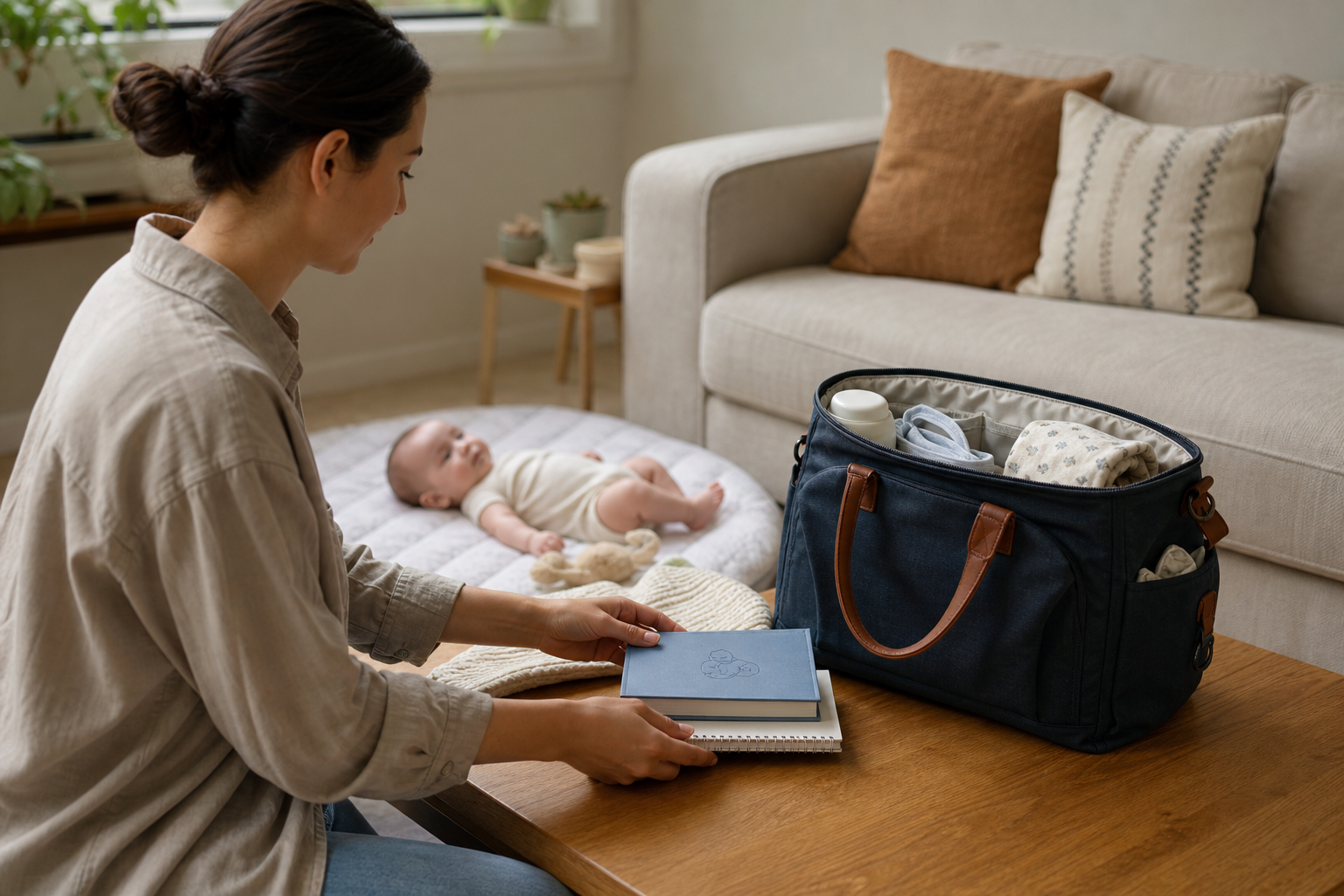
The right items depend on the appointment and the service. A practical starting checklist is:
- Your baby’s or child’s infant health record book, if they have one. Pregnancy, Birth and Baby advises taking it to health appointments.
- Any appointment or referral letter and any forms the service asked you to complete.
- A current list of medicines and supplements, including details provided by your child’s healthcare professional or pharmacist.
- Relevant test results, reports or scans if the clinic has asked you to bring them.
- Contact details for your child’s general practitioner (GP) or other healthcare professionals, where relevant.
- Your Medicare card or other administrative documents requested by the service.
- Your notes and questions.
Children’s Health Queensland gives a similar checklist for outpatient appointments and recommends bringing appointment information, medicines, relevant reports and GP contact details. Follow the instructions from your own clinic, because requirements differ.
What notes may help
You do not have to track every part of family life. Focus on details that relate to the reason for the visit or questions you want to ask. Your notes might include:
- When you first noticed a concern or change, described in your own words.
- Recent feeding, sleep, nappy, toileting or behaviour notes if they are relevant to the conversation.
- Questions or observations about growth or development that you want the health professional to discuss.
- Known medicines, allergies and recent appointments, using information already provided by qualified health professionals.
- Photos, documents or records the clinic has specifically asked to see.
These notes are prompts for a conversation, not a way to diagnose or interpret your child’s health. A health professional can decide which information is relevant and explain what it means in context.
Questions you could prepare
Your questions will depend on your child and the purpose of the visit. General prompts include:
- What will this health check cover?
- Is there anything you would like me to observe or record before the next visit?
- Do we need a follow-up appointment, referral or test?
- What should I do if I do not understand the next steps?
- Who should I contact if I have questions after the appointment?
If your child is old enough, they may also want to bring a question. Children’s Health Queensland recommends writing questions down and asking the health professional to explain unfamiliar terms.
During the health check
Use your notes as a guide rather than a script. Start with your main reason for attending, share the most relevant observations and ask your priority questions. If something is unclear, ask the health professional to explain it again or write it down.
Routine checks may cover different areas depending on a child’s age and the service. Pregnancy, Birth and Baby notes that checks may include growth and development and questions about feeding, sleep and behaviour. The health professional should explain what is being checked at your child’s appointment.
After the appointment
Before you leave, check that you understand any follow-up steps. Afterwards, you may want to record:
- The date and who you saw.
- The main points you were told, in plain language.
- Any follow-up appointment, referral, form or test the health professional arranged.
- Questions to raise next time.
- Where to get clarification if you are unsure about the plan.
Keep clinical instructions exactly as provided by the healthcare professional. If you are uncertain about any instruction, contact the service rather than guessing from your notes.
Using Nucentra for appointment preparation
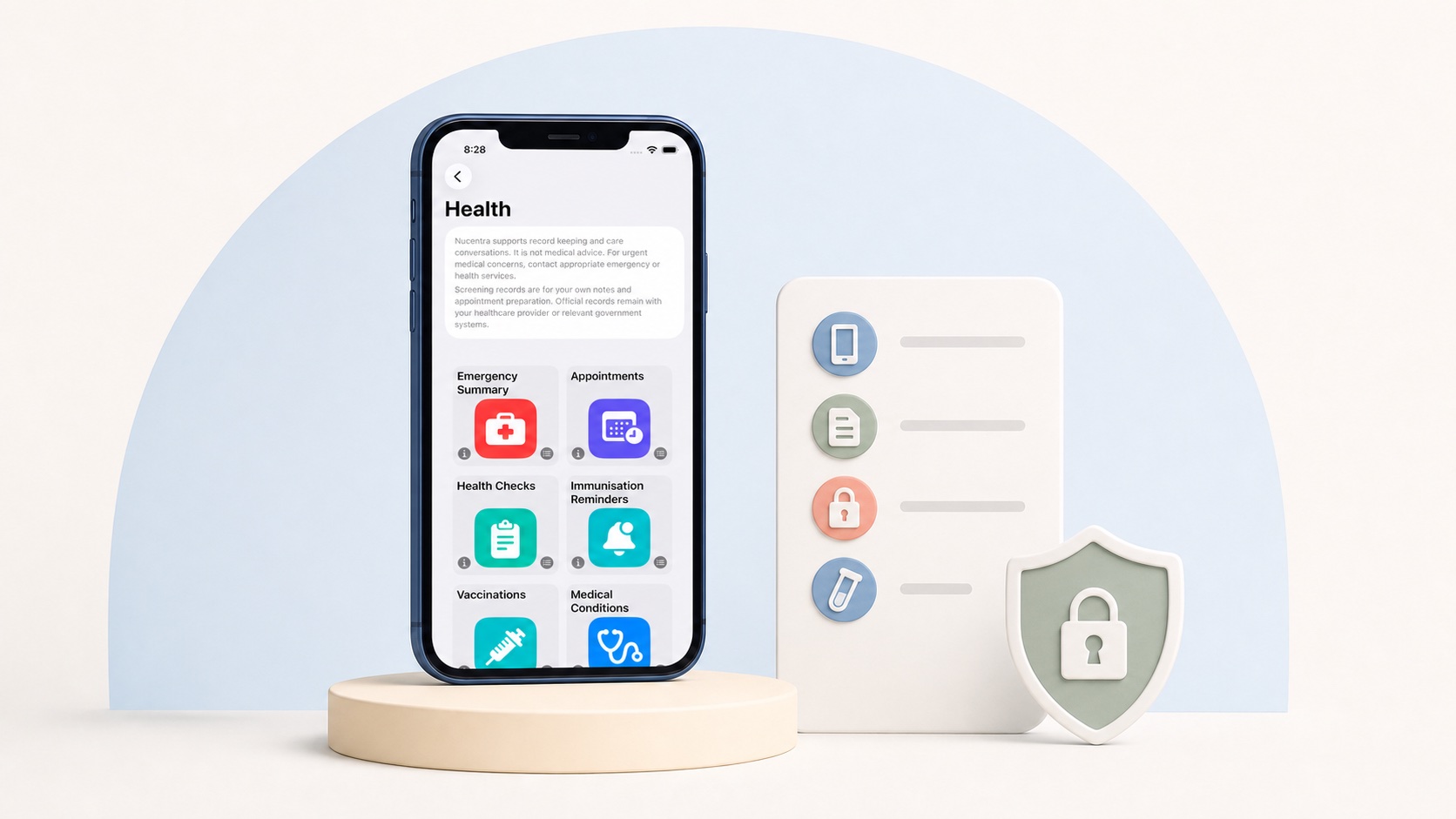
If you already use Nucentra, its current Appointment Prep tools can help you save the reason for a visit, questions, notes and follow-ups on your iPhone or iPad. Nucentra is a local-first record-keeping companion; it does not send records directly to clinicians, provide medical advice, diagnose, treat, monitor conditions or offer emergency support.
Learn more about Nucentra’s current features and read the Nucentra Privacy Policy for details about local storage, device backups, support information and analytics.
Build your appointment prep list in Nucentra, then use it as a prompt during your next care conversation. For downloads, visit Nucentra on the App Store.
Sources
- Pregnancy, Birth and Baby — Routine health checks for babies and children (last reviewed September 2023; accessed 2 August 2026).
- Pregnancy, Birth and Baby — Infant health record (last reviewed July 2025; accessed 2 August 2026).
- Healthdirect — Question Builder (date not stated; accessed 2 August 2026).
- Children’s Health Queensland — Going to an appointment (last updated May 2025; accessed 2 August 2026).
This article uses Australian health sources. If you live outside Australia, check advice from your local health authority or healthcare professional.