
This article is for general information only. It has been checked against the sources listed below but has not been reviewed by a medical professional.
Feeding cues are the small changes in body language and behaviour a baby may use to show that they are ready to feed, want a pause or have had enough. They can be easy to miss at first, and the cues you notice may change as your baby grows.
A cue is one piece of information, not a test. The same movement or sound can have more than one meaning. Looking at the whole situation—and getting individual advice when you are concerned—is more useful than trying to interpret one sign on its own.
What early hunger cues can look like
For newborns and younger babies, earlier hunger cues may include:
- stirring or becoming more alert
- opening their mouth
- turning their head from side to side
- bringing their hands towards their mouth
- making sucking noises or sucking their lips or hands
- becoming more active or restless
The Sydney Children’s Hospitals Network guide to hunger cues groups these as earlier and more active signals. It describes crying as a late hunger cue, when a baby may already be upset and harder to settle.
Crying does not always mean hunger. Children’s Health Queensland notes that a young baby may also cry because they are tired, uncomfortable, bored or wanting a cuddle. This is why one cue should not be treated as proof of what a baby needs.
Cues during breast or bottle feeds
During a milk feed, a baby who wants to continue may stay focused on feeding and show sucking and swallowing movements. As the feed continues, their body may relax.
Possible pause or fullness cues include taking longer pauses, coming off the breast or teat, or showing little interest when the breast or bottle is offered again after a break.
These examples are drawn from Children’s Health Queensland’s responsive breast and bottle feeding guidance. Healthdirect’s breastfeeding guide also explains that feeding cues can show both readiness to feed and when a baby may have finished.
Feeding patterns and cues vary between babies and can change over time. If your baby was born prematurely, is unwell, has a feeding plan or you have been given specific instructions, follow the advice of your baby’s healthcare team rather than using a general article.
When a baby is learning to eat solid foods
Once a baby is eating solid foods, cues around meals can look different from cues for milk feeds. A baby who is interested in more food may become excited when food is prepared, lean towards the food or open their mouth when food is offered.
A baby who has had enough or is no longer interested may turn away, lose interest, push the spoon away, clamp their mouth shut, spit food out or slow down. The Northern New South Wales (NSW) Local Health District guide to hunger and fullness cues provides these examples for babies eating solid foods.
This article does not cover when to start solids, food preparation, allergies or choking. Use current official guidance and ask a qualified health professional for advice that fits your baby’s age, development and circumstances.
Learning your baby’s own pattern
You do not need to identify every cue perfectly. It can take time to notice how your baby communicates before, during and after feeds. Their cues may also be clearer on some days than others.
A simple approach is to notice what happened in sequence:
- What did you notice before the feed?
- What changed when feeding started?
- Did your baby pause, turn away or show interest in continuing?
- Is there a question you want to raise with a qualified health professional?
This sequence is a memory aid only. It cannot tell you whether a baby is getting enough milk or food, whether a feeding problem is present or what care they need.
Recording feeding cues without over-tracking
If notes help your family remember feeds or prepare for a care conversation, keep them brief. You might choose to record:
- the time and type of feed
- the cue or behaviour you noticed before the feed
- a short note about pauses, turning away or interest in continuing
- questions or concerns in your own words
You do not need to record every feed or every movement unless a qualified health professional has asked you to. A feeding log is not an assessment of intake, growth, hydration or wellbeing.
When to ask for individual support
Speak with your baby’s general practitioner (GP), midwife, child and family health nurse, paediatrician, lactation consultant or other qualified health professional if you are worried about feeding, weight, alertness, growth or wellbeing, or if feeding is painful or difficult. Healthdirect and Children’s Health Queensland both direct parents to professional support for feeding concerns. A qualified professional can assess your baby’s individual situation and give advice that a general article cannot.
Do not use this article—or a feeding record—to delay seeking professional care or to decide that a baby is well or unwell.
Using Nucentra for feeding notes
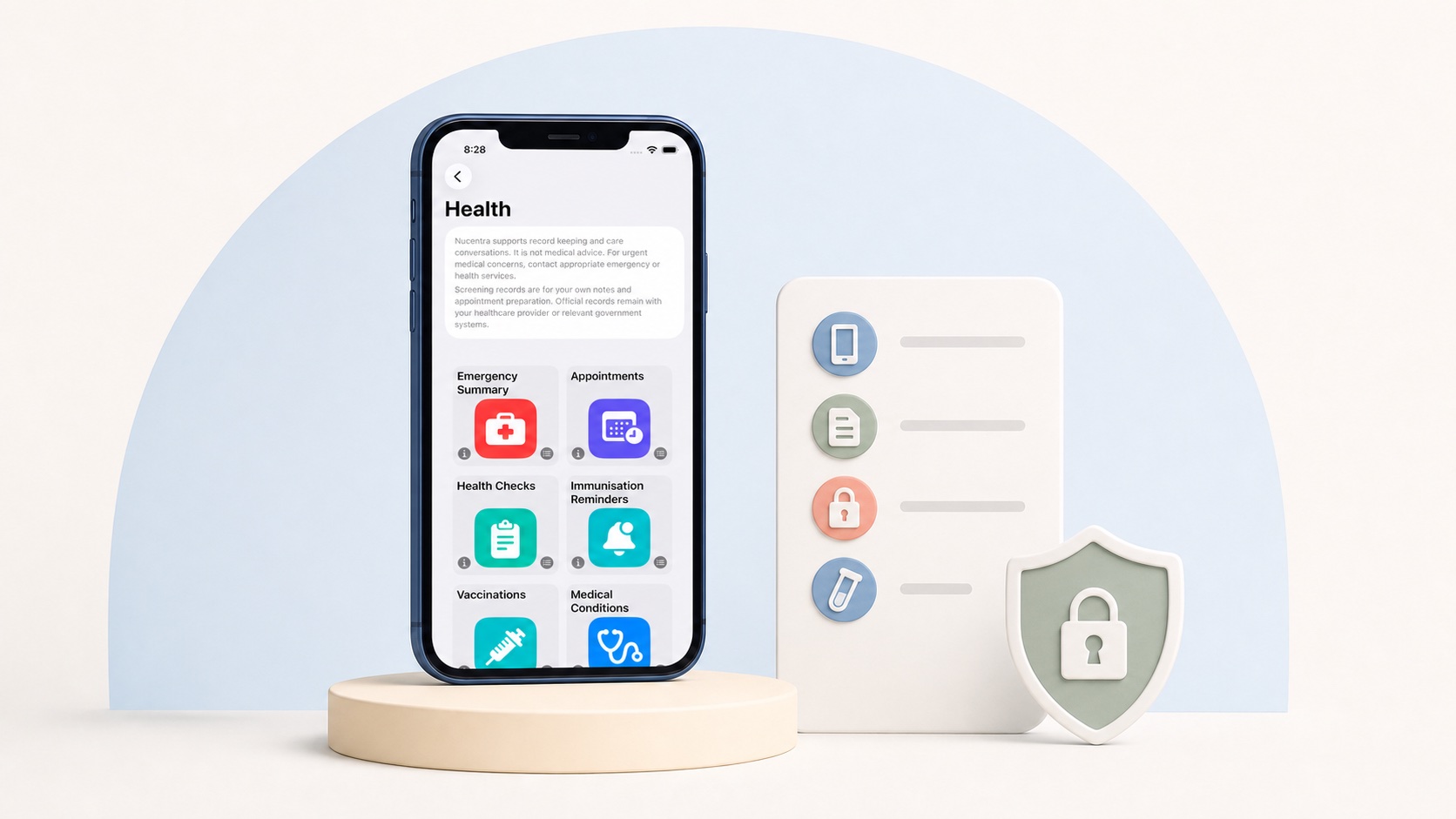
Nucentra’s current feeding tools can record feeds, bottles, solids and notes on the iPhone or iPad where the app is used. Records are stored locally on that device. Nucentra does not currently provide cloud record sync, family sharing, clinician access, artificial intelligence (AI) feeding analysis or cross-platform access, and it does not assess feeding adequacy or provide medical advice.
Learn about Nucentra’s current features, and read the Nucentra Privacy Policy for details about local storage, device backups, support information and analytics.
If a short feeding note helps your family remember what happened, Nucentra can keep it with your other local care records for later reference during care conversations. For downloads, visit Nucentra on the App Store.
Sources
- Sydney Children’s Hospitals Network — Hunger cues (last updated 11 May 2026; accessed 2 August 2026).
- Children’s Health Queensland — Responsive breast and bottle feeding (last updated 20 October 2023; accessed 2 August 2026).
- Healthdirect — Breastfeeding your baby (last reviewed October 2025; accessed 2 August 2026).
- Northern NSW Local Health District — How to tell if your baby is hungry or full (date not stated; accessed 2 August 2026).
This article uses Australian health sources. If you live outside Australia, check advice from your local health authority or healthcare professional.